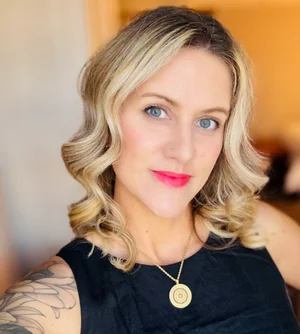
Seen and Unseen
There’s a difference between being part of something and being seen within it.
For the past few years, I’ve been working closely with Milan Art, mostly behind the scenes. Building, shaping, and contributing in ways that aren’t always visible from the outside. It’s work I care deeply about, and work that has shaped me as much as my own art practice. But it also meant that my role, at least outwardly, felt defined.
This past year, that began to shift.
Stepping Forward
I was asked to step into a teaching role, beginning with filming Watercolor Foundations, along with contributing to in-person retreats and also, the new Mastery Program. It wasn’t something I had been working toward or planning for, and if I’m honest, not something I would have seen as a possibility for myself.
It felt like an honor. It also meant stepping into a new level of visibility. I was excited, and it pushed me.
There is a difference between contributing behind the scenes and standing in front of something. Teaching requires a different kind of presence. It asks you to articulate what you know, trust it, and offer it without over-refining every detail.
That’s where things started to surface.
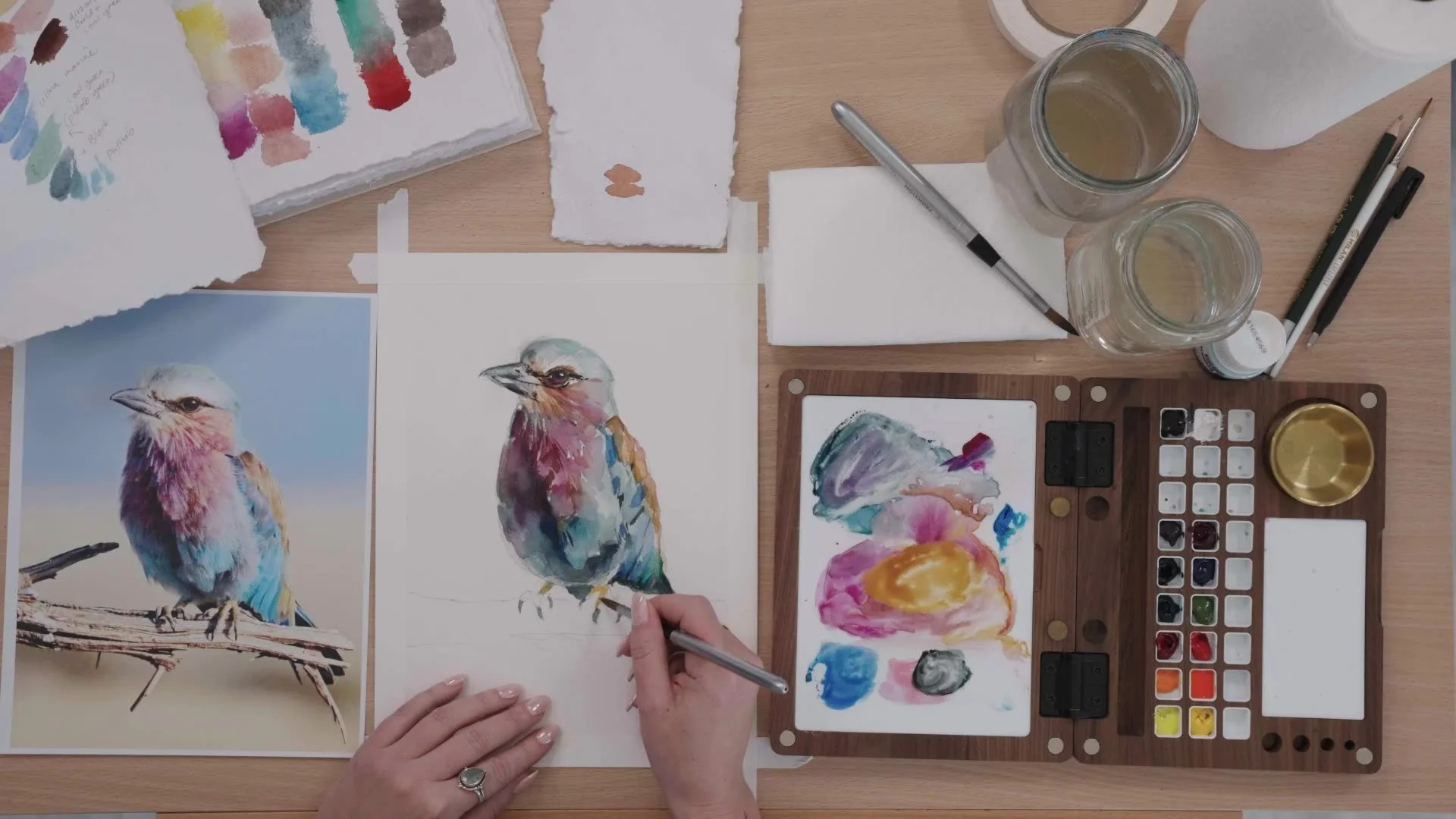
Watercolor Bird Lesson - from Watercolor Foundations
The Shape of Self-Doubt
Self-doubt didn’t show up in a dramatic way. It was quieter, more persistent. A kind of internal dialogue that questions whether you’re ready, whether you’re enough, and whether you can meet what’s being asked of you.
For me, it often looked like over-preparing. Trying to anticipate every outcome and eliminate uncertainty before stepping forward. There’s a certain comfort in that, but it limits how you move.
I remember the night before my first session filming Watercolor Foundations. It was my first experience stepping into that role, and I felt the weight of it. I kept going back to Elli with questions, running through scenarios, overthinking every detail. Every possible outcome felt like something I needed to solve in advance.
At one point, she told me I sounded borderline manic (which was totally valid - and true). She reassured me, that it would all be fine. That I would do great and I was over-thinking it.
I had convinced myself that I needed to have everything rehearsed. That every line needed to be right. That any mistake would cost time, or reflect poorly on the work. The pressure was coming from me, not from anyone else. It cost me hours of sleep.
But the shift happened the moment I let go of trying to control it.
As soon as I stopped rehearsing everything in my head, it began to flow. Not perfectly, but naturally. And that was enough.
That pattern showed up again not long after.
I was in Florida and had been invited to do a YouTube Live using watercolor. The idea of going live on the Milan Art platform made me nervous in a different way. There was no editing my mess-ups, no resetting. It was just happening in real time.
And again, my instinct was to try to control it. To plan everything down to the minute, to make sure I was fully prepared for anything that might come up.
I mentioned how nervous I was to Dimitra, and she said, almost casually, “Oh! Don’t worry — the lives are so much easier than recording classes.” … She was right.
The hour passed quickly. It felt light. I found myself laughing at how much I had built it up beforehand, worrying for nothing. What I thought needed structure actually worked better without it.
Both experiences pointed to the same thing.
The pressure wasn’t coming from the opportunity itself. It was coming from how I was approaching it. From the belief that I needed to get everything right before I began.
Once that loosened, everything else did too.
That’s something I’ve had to learn more intentionally. Much of what holds you back is not a lack of ability, but the way you think about what’s required of you. Once you see that, it changes how you approach the work.
Outside of Routine
At the same time, the opportunities kept expanding.
Teaching on the retreats in Italy in 2024, then again in 2025, and now returning in 2026, each one felt slightly unreal at first. The countryside, the light, the sense of beauty in even the smallest details.
It pulls you out of routine and into something more present. There’s a freedom in that space, not just creatively, but mentally. You let go of control and respond more intuitively.
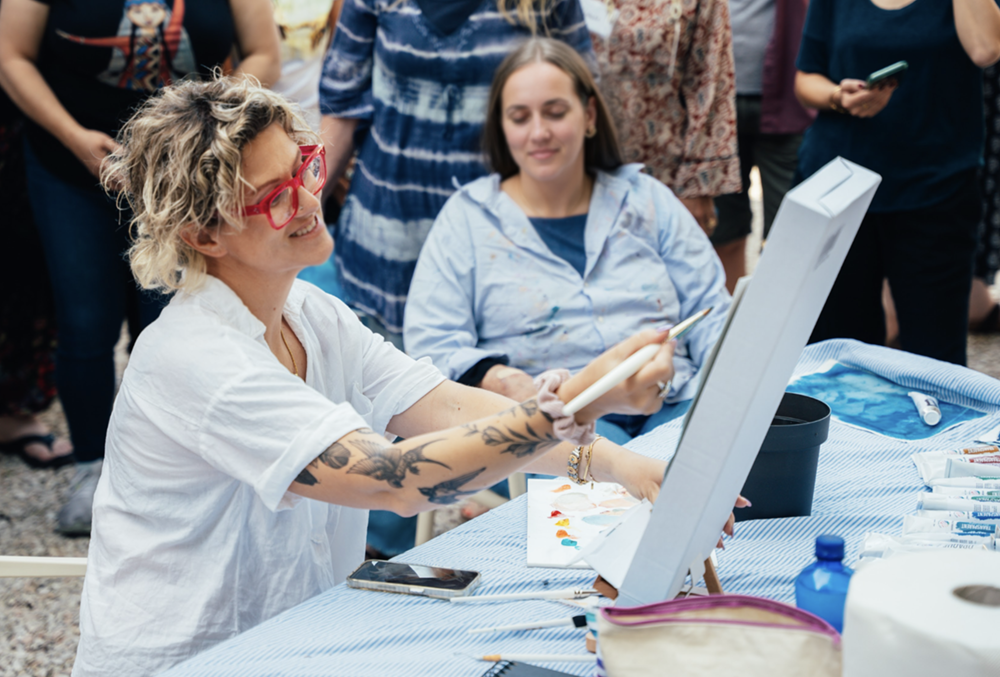
First time teaching in Italy, 2024
Full Circle
That same thread carried into other moments, including being asked to contribute lessons to the new Mastery Program.
That was not a small moment for me. It marked a shift from supporting the work behind the scenes to shaping what students experience.
My connection to the Mastery Program began as a student, and over time deepened behind the scenes through my work at Milan Art. Because of that, stepping into it visibly as an instructor and contributing creatively in this way felt especially significant.
My first response wasn’t confidence. It was pressure. Wanting to represent it well. Not wanting to fall short. Wanting to meet the standard that had been set.
But underneath that was something clearer.
Being asked meant that someone else already saw value in what I could offer. At some point, you have to decide whether you’re willing to believe that too.
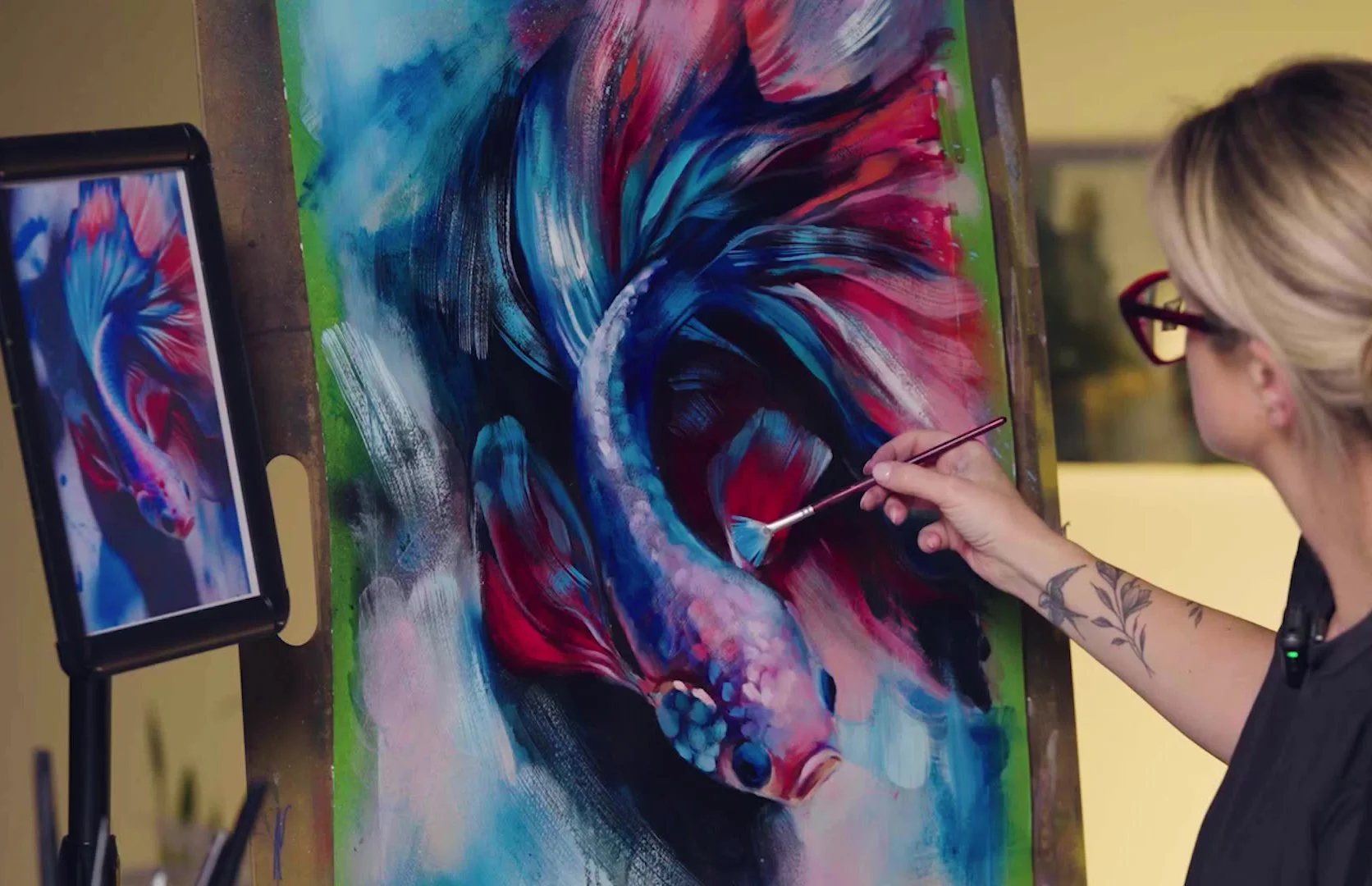
Mastery Program 2026 - Mixed Media Lesson
Learning to Trust
Looking back, this past year doesn’t feel like a series of milestones. It feels like a shift. From behind the scenes to stepping forward. From trying to control everything to learning how to trust. From waiting to feel ready to understanding that readiness often comes after you begin.
If there’s anything I’ve taken from this season, it’s this. The opportunities that make you hesitate are often the ones that ask you to grow. Not because you’re fully prepared, but because you’re capable of becoming prepared.
And sometimes, that’s enough.
If you’re standing in front of something that feels just out of reach, I hope you don’t wait too long to step into it.